
Dental implants are widely considered the gold standard for tooth replacement, boasting a success rate of over 95%. However, complications can still arise. Whether you recently had surgery or have had your implant for a decade, experiencing a failing dental implant can be alarming.
If you suspect something is wrong, understanding the signs of dental implant failure and knowing what steps to take next is critical to saving your smile and protecting your jawbone.
What Are the Signs of Dental Implant Failure?
Recognizing the problem early is the best way to prevent severe bone loss. While minor discomfort during the initial healing phase is normal, true dental implant failure symptoms usually present themselves clearly.
If you are looking at pictures of dental implants that failed online to compare with your own situation, here are the most common physical signs of failed dental implant cases:
-
Severe Pain or Discomfort: Throbbing pain radiating from the implant site long after the initial surgery.
-
A Loose or Shifting Implant: A healthy, fused implant should feel exactly like a natural tooth. A shifting sensation is one of the most common dental implant failing symptoms.
-
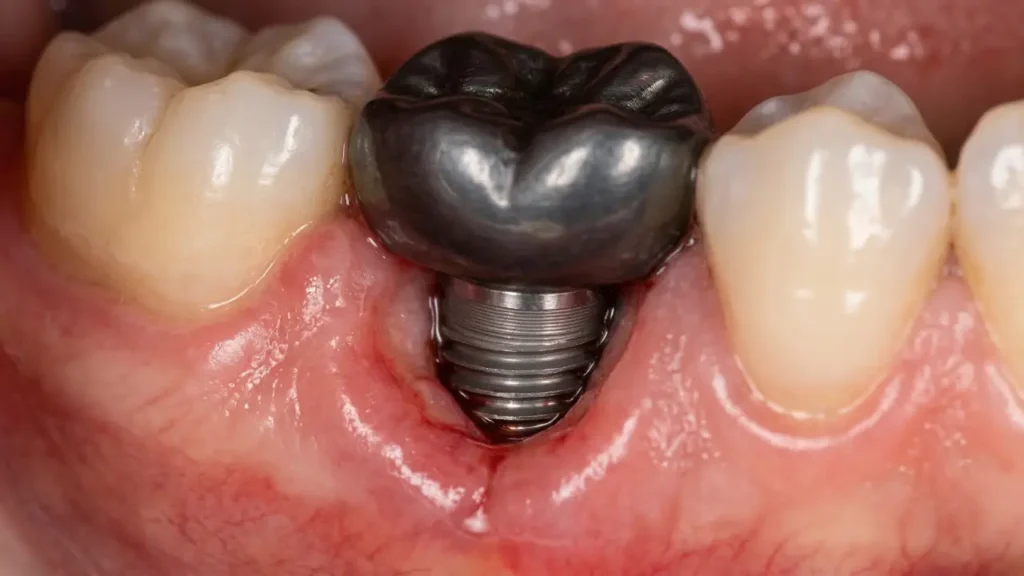
Swollen, Bleeding Gums: Persistent red or puffy gums around the metal post indicate an infection (peri-implantitis).
-
Visible Threads: If the gum recedes and you can clearly see the metal threads of the implant, you may be experiencing a failed dental implant due to bone loss.
Why Do Dental Implants Fail?
Many patients ask, “What causes a dental implant to fail?” The reality is that failure can happen at two distinct stages, and the reasons vary significantly.
First Stage Early Dental Implant Failure
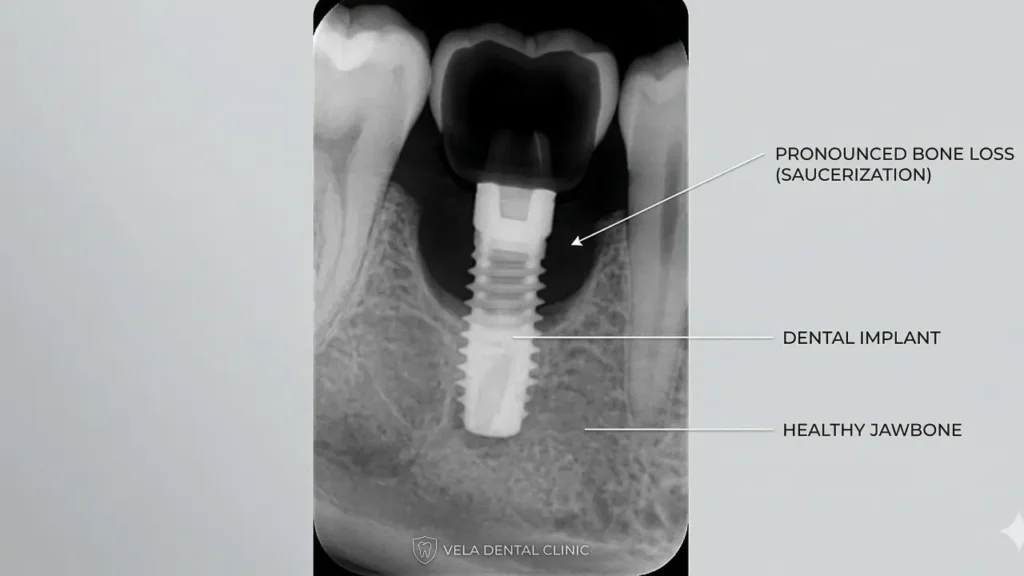
This occurs within the first few months after surgery when the titanium post fails to fuse with the jawbone—a process called osseointegration. Common causes include poor blood supply, an underlying infection, or micro-movement of the post during the healing phase.
Dental Implant Failure After 10 Years
Yes, even a fully integrated implant can encounter issues later in life. Late-stage failures are almost exclusively caused by peri-implantitis (a severe form of gum disease), sudden trauma, or changes in bone density due to aging or medical conditions.
Lifestyle Factors: How Much Alcohol Causes Dental Implant Failure?
A highly searched question is how much alcohol causes dental implant failure. While an occasional drink won’t make an implant fall out, heavy daily alcohol consumption during the healing phase significantly reduces blood flow to the gums, slows down the immune system, and drastically increases the risk of early implant rejection.
Who is Responsible for Dental Implant Failure?
A common concern for patients dealing with this situation is: who is responsible for dental implant failure? The answer depends entirely on the root cause. If the failure occurs due to poor surgical placement, incorrect implant sizing, or lack of proper sterilization, the responsibility may fall on the surgical provider.
However, if the failure is caused by poor oral hygiene, smoking, neglecting follow-up appointments, or underlying medical conditions (like uncontrolled diabetes), the failure is generally the result of biological or patient-related factors. A thorough clinical evaluation is required to determine the exact cause.
What Happens If a Dental Implant Fails?
If you are wondering what happens when a dental implant fails, the first step is usually surgical removal of the failing post. Leaving a loose or infected implant in the mouth can lead to widespread infection and severe damage to the surrounding jawbone.
Fortunately, there are several failed dental implant options available:
-
Bone Grafting and Replacement: Once the infected tissue is cleaned and the area heals, a bone graft can rebuild the lost foundation, allowing a new implant to be placed successfully.
-
Deep Debridement: If caught very early, a periodontist or oral surgeon can clean the infected area around the implant (without removing it) and prescribe targeted antibiotics.
-
Alternative Restorations: If placing a new implant is not viable, dental bridges or specialized dentures can be used to restore function and aesthetics.
Don’t Ignore the Symptoms
If you are experiencing any dental implants failure signs, time is of the essence. Why would dental implants fail if left untreated? Because the bacterial infection will continue to eat away at the jawbone, making future restorations much more difficult and expensive.
Always seek a professional 3D scan and clinical evaluation at the first sign of pain, swelling, or looseness to explore your treatment options and protect your oral health.
If you are experiencing pain, don’t wait. Schedule an evaluation with Dr. Benjamin Vela today. We offer flexible payment options to help you restore your smile affordably.
